Hey Everyone,
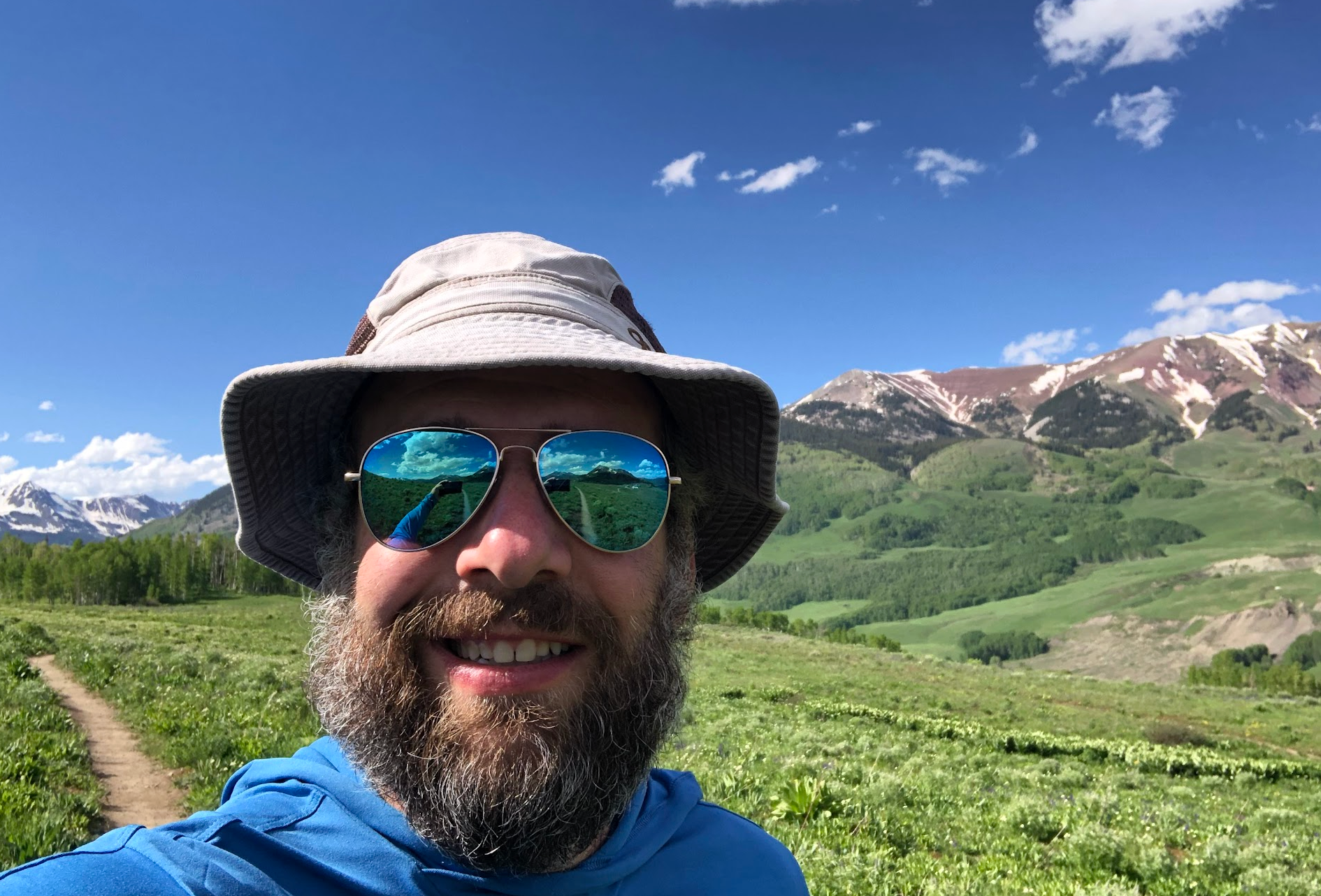
My name is Scott, and I am the face behind My Met Job.
I've been a meteorologist for the last 21 years and have had the opportunity to work in aviation, road weather, energy, agriculture, marine, events, and for ski resorts.
I've worked nights for 10 years of my career, days, mornings, weekends, 4 shifts on, 4 shifts off, 12-hour shifts, 10-hour shifts, and 8-hour shifts.
I've slept at the office 3 or 4 times.
I've worked for 10 different companies across every timezone in the lower 48 of the US.
Each company brings its own work flow, protocols, and personalities among the various teams and departments.
When companies consider hiring you, it isn't just about your skills, but about your personality and character and how you might fit with the rest of the team.
A career in meteorology is not like other industries that may have hundreds of jobs open at any given time. However, there are many more opportunities than you may find on job-searching sites.
My first meteorology job wasn't even posted on a weather job site; it was on an industry site for pilots. Since then, I have interviewed for jobs that were never publicly posted, and I only found out about these positions through my network.
I started to conceptualize Met Met Job back in 2008 while working at United Airlines. I just began to realize that, based on the number of jobs being posted and the number of graduates, there couldn't possibly be jobs for everyone, and competition was fierce. I didn't learn this from my professors, counselors, or anyone else; instead, I had to move around and take different opportunities to really learn how the hiring process works.
This is what I want to bring to My Met Job. The knowledge I gained over 20 years of moving around constantly and learning specific forecasting skills required with different types of clients and companies.
I decided the best way was through coaching or mentoring at first, but then to develop courses that focus on helping you understand the skills needed, and then giving you the tools to gain those skills so you can find a new role.
Also, don't feel priced out. I work with everyone on a case-by-case basis, and I believe everyone, no matter where they live or the circumstances, deserves the opportunity to have a successful meteorology career.
Here are some of the ways I can work with you, with many more to come.

Sometimes it helps to work with someone to help get you on the right path to success. You can meet one time of 50 times, it's all up to you.
This will take you to the individual coaching page.

While some people find individual coaching is the best for them, others like to work in a group and learn from their peers along with the leader or coach.
This will take you to the Group Coaching Page
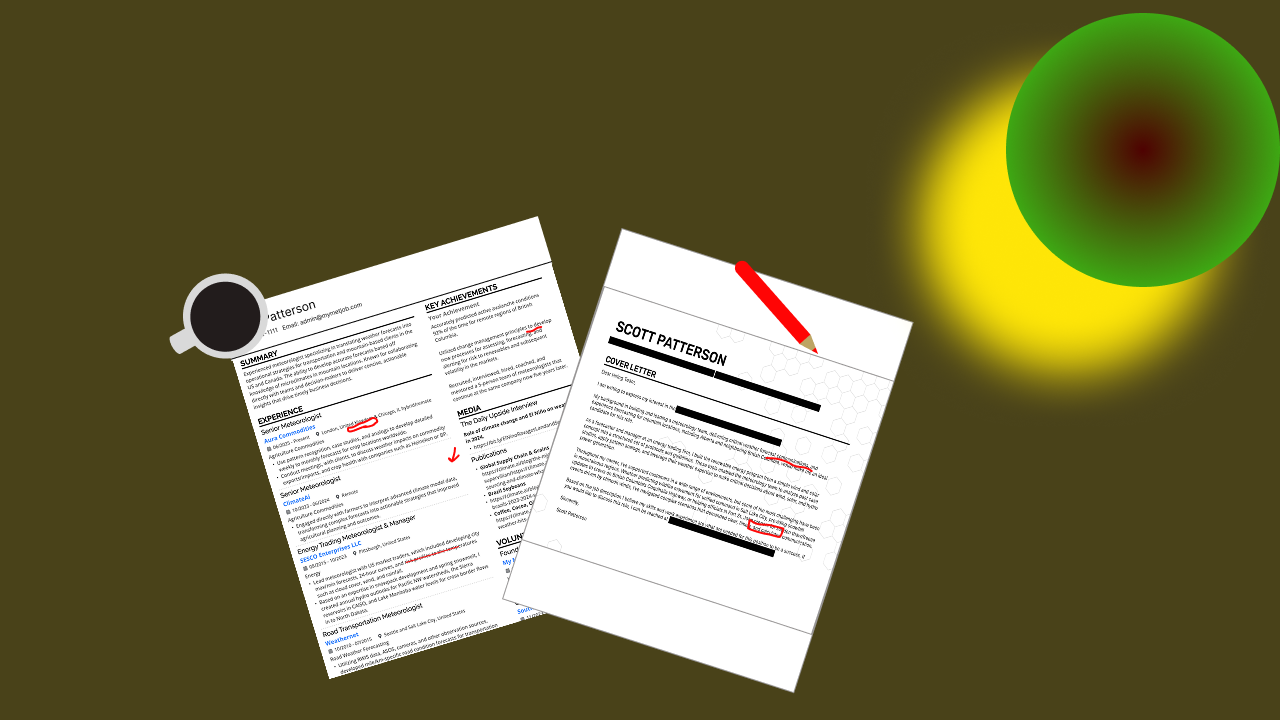
I've seen too many resumes with bad layout design, which ends up being hard to read and easy to just skip. Make sure your resume is not in the skip pile.
This will take you to the page to learn about resumes and interview prep.
Join the Waitlist for "How to Become an Energy Meteorologist" Cohort
Taught by a former energy meteorologist and hiring manager for an energy trading firm.
The course is expected to launch in early August 2026