Issued on the 8th of May 2026
As promised, here is a cover letter that led to an interview and ultimately a job offer. This wasn't just any job offer, but one for an international location.
Let me just say beforehand that just because this format worked for me, the actual interview is where you land the offer.
Background: This company is an energy trading firm, meaning they trade on special markets for electricity and natural gas. They do not own any power generation; instead, they are just a market participant that buys and sells units of energy. This type of market exists to help stabilize often volatile energy prices and to ensure there is always power available.
While meteorologists can also trade, most of the time, the meteorologist provides information to traders and is not actively involved. There are many different types of trading operations, and as a meteorologist, you could work for a hedge fund, a major oil & gas company, an electric utility, or a private company that just trades. The company I worked for, until Covid, didn't even have a sign on the building because they wanted to operate in secrecy. So it is no wonder if you haven't heard of this type of industry.
It should be said that when I worked in energy trading the first time, I developed the wind and solar forecasting processes for the company, and so I have a really strong foundation in renewables and I understand how the weather can influence power generation, and then how this power integrates with the grid. In addition, because I worked in mountain meteorology for a long time, I co-led the hydro power team. Nobody made me do these things; that's just me. I have strong self-motivation, and I play this up at work and on my own time. Hence this newsletter. Nobody is going to help you get to the next opportunity more than YOU.
Here is the sample cover letter,
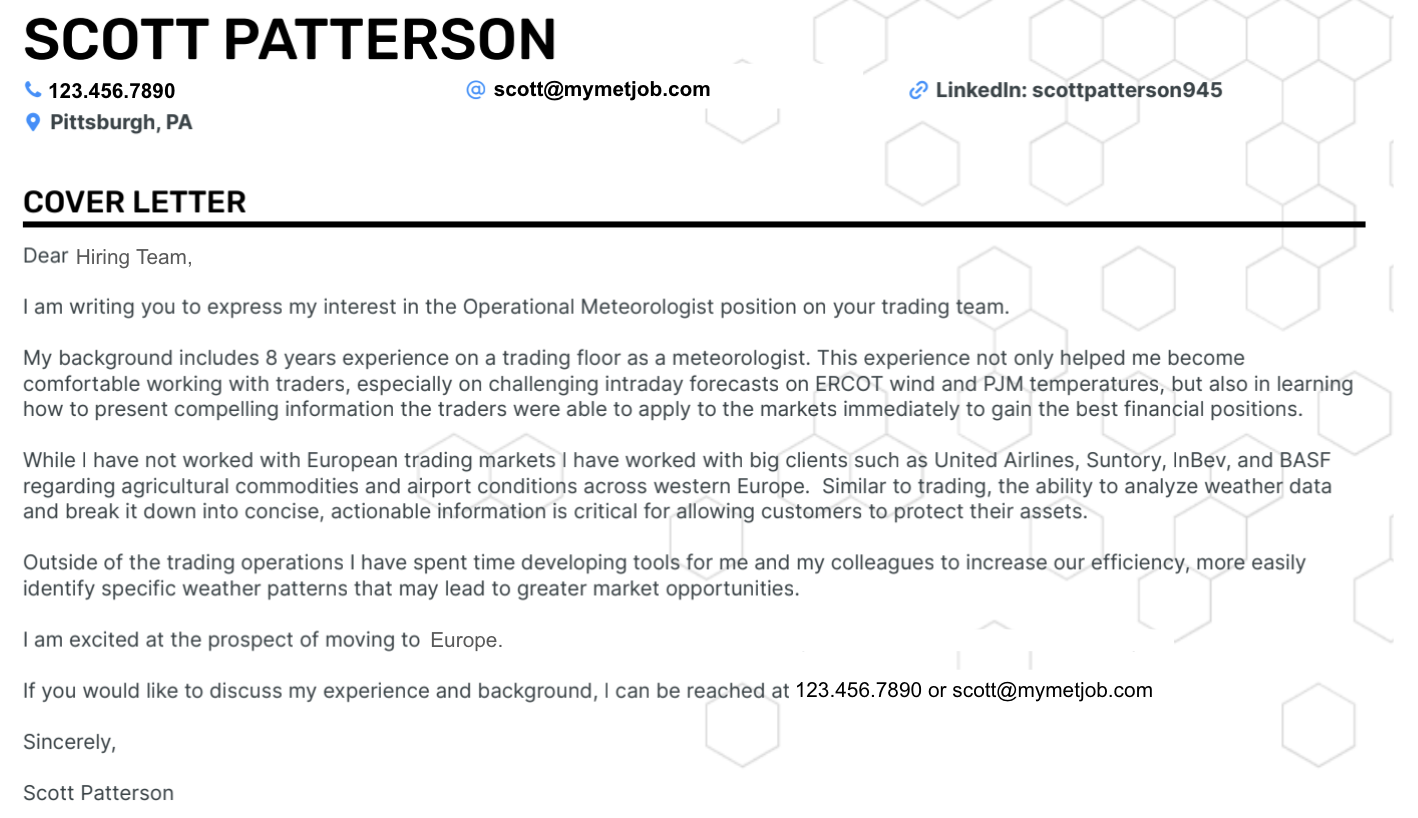
First-line: This is why you are sending the company a letter.
The first paragraph gives my experience directly related to the position. I've worked on a trading floor as a meteorologist. Then I address what I think are common issues meteorologists face. I know this from previous interviews where they asked me these questions. This is why applying for jobs you may not intend to take is useful because you get to practice interviewing.
In the second paragraph, I discuss a gap between what they want and what I have. I wouldn't always suggest you address this, but if you have a reason why that gap may not be as big a deal, then I would bring this to the front. I know from the job posting what I was missing, and that this was key to mention. In this case, it turns out this paragraph mattered more than I could imagine, because this company decided to offer me a job, not to fill this posting, but a new job they created based on my background. You never know.
The third paragraph tries to bridge the gap in my lack of technical skills.
The last little bit is just there to let them know I am ready to move, that I understand I must relocate.
I know COVID ruined a lot of the younger meteorologists' views on work location, but I think for the people who will not relocate for a job with less than 10 years of experience, you are leaving a lot of opportunities on the table. Some of you may not have a choice, but for those that do, the more flexible you can be the higher chance of starting your career. Most meteorology companies are either on-site or hybrid local, meaning you must live nearby. If you are caught working outside of the state where the job is located, you will likely be fired, because the company may get in trouble. You have become a liability.
Lastly, while the cover letter helped me get an interview, in most cases, it is the interview that seals the deal.
Next week I will start covering interviews, and things to do and things not to do. This is coming from 40+ recent interviews I have done.
The Jobs
USA Jobs
Industry: Energy
Title: Wildfire Mitigation Specialist
Company: CORE Electric Cooperative
Work Location: Denver, Colorado area
Pay: $92,900 - $123,850 USD per year
Benefits: See Job Listing
Closing Date: 12th of May, 2026.
Degree:
- Degree in Meteorology or Atmospheric Science, wildfire science, environmental science, or forestry
Years of Experience:
- 2+ years in wildfire risk analysis, fire weather interpretation, wildfire modeling/forecasting
Key Skills or Knowledge: (most important to the company)
- Experience working in or with electric utilities, particularly in wildfire mitigation, vegetation management, inspections, and maintenance, or system hardening programs.
- Knowledge of wildfire mitigation tactics, including defensible space, home hardening, and vegetation management.
- Familiarity with PSPS or Public Safety Power Shutoff planning and execution.
- Experience with software such as DTN, Technosylva, or Pano AI in interpreting wildfire risks.
Additional Skills:
- Technical understanding of wildfire science, fire behavior, and fire‑weather concepts, including the ability to interpret environmental and meteorological data to support CORE’s wildfire mitigation activities.
- Working knowledge of utility operations, system hardening concepts, and maintenance practices as they relate to wildfire risk reduction.
- Understanding of collaborative relationship‑building and public engagement strategies to support outreach and partnerships as needed.
- Awareness of emergency management principles and situational awareness tools, relevant to wildfire risk monitoring and coordination.
- Strong analytical and technical evaluation skills, including the ability to interpret wildfire risk models, fire‑weather data, geospatial information, and operational risk indicators.
Who Should Apply?
Wildfire positions are no pun intended on fire right now. Many utilities that own transmission lines in mountainous or regions with dry vegetation have been on a hiring spree for meteorologists who can apply atmospheric conditions to wildfire planning and mitigation. While the US market is more active now, once Europe, Australia, and South America have another round of high-frequency wildfire years, they may hire more wildfire meteorologists as well.
These types of jobs, while they require a strong understanding of mountain meteorology fundamentals, you can apply many other disciplines in weather to fire meteorology, or the other way, you would have many opportunities to move beyond fire weather roles.
About the Location
While many cities claim to be all-weather, Denver is one of the big cities that can actually prove this concept. Going from 80 F / 27 C to 32 F / 0 C the next day is completely normal. AC to Heat, Sunny skies to 12 inches / 30 cm of snow. Some of the worse wildfires on the Front Range of the Rockies occur in the Winter, where wildfire season is generally in the Fall. Ask anyone who has attended a concert at Red Rocks in the Summer about the weather in Denver. It snowed earlier this week and now it's 70 F / 21 C.
Below in the distance is Telluride, Colorado
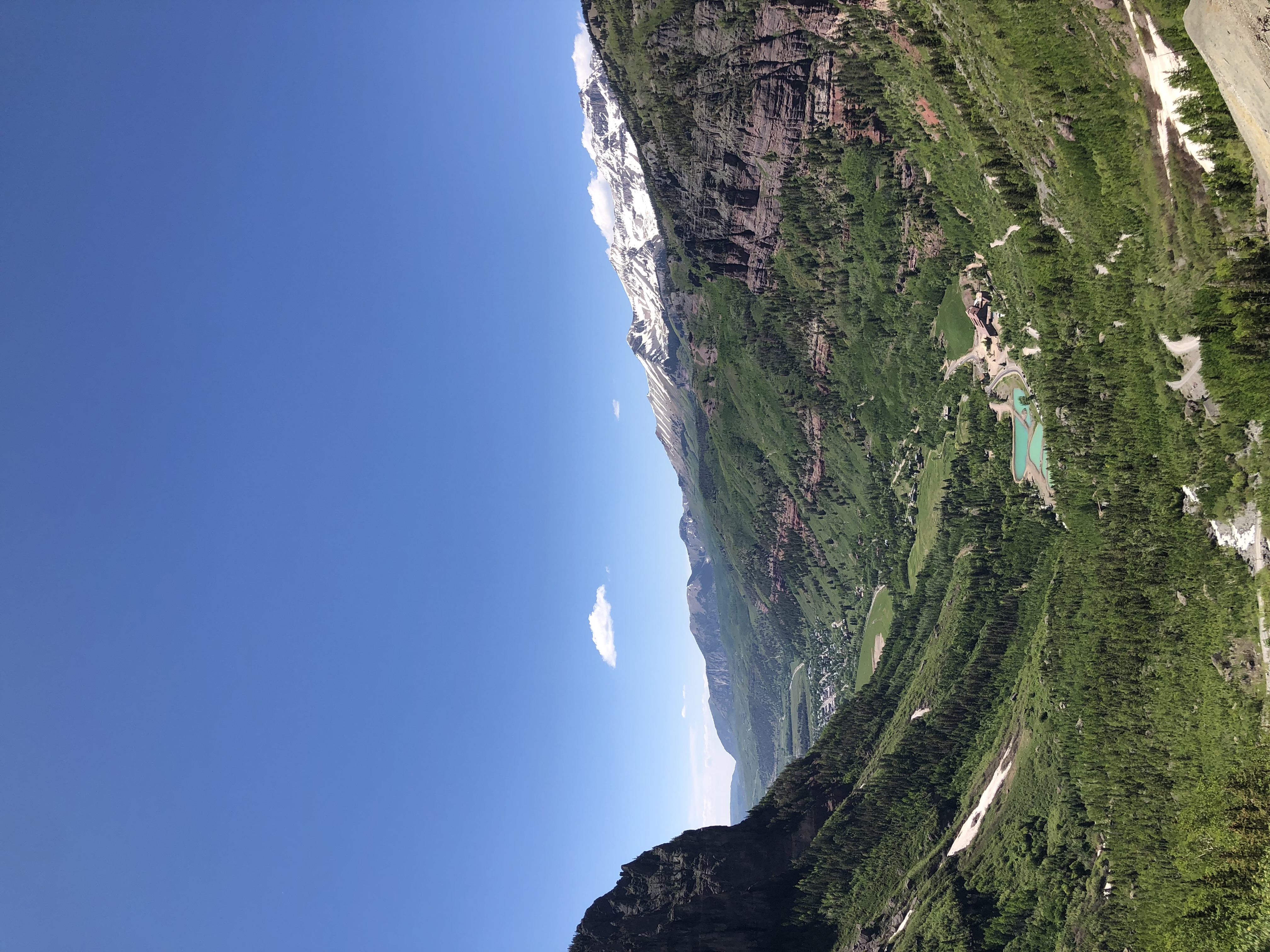
Denver sits between the Great Plains to the East and the Rockies to the West. The Cheyenne Ridge runs West to East, north of the city, and along the South is the Palmer Divide, which separates Denver from Colorado Springs. If you forecast in this region, everything just mentioned matters in what happens and depends significantly on where you are located in the city. Telluride, above, is nowhere near Denver, but is a good example of the varying terrain you find in Colorado.
Like most large US cities, there are plenty of entertainment and outdoor options, plus a major airport to fly wherever. Whether you enjoy the outdoors, festivals, or concerts, with the Rockies nearby, there are plenty more options for fun outside the city.
Industry: Insurance
Title: Wildfire Scientist
Company: AON
Work Location: Boston, MA - hybrid, but possible US-remote
Pay: $115,000 - $140,000 USD annual + bonus
Benefits: See Job Listing
Degree:
- M.S. or Ph.D. in meteorology, climatology, atmospheric science, wildfire science, environmental science, applied geoscience
Years of Experience:
- 5+ years of forecasting experience
Key Skills or Knowledge: (most important to the company)
- Strong programming/scripting skills are required, preferably in R and/or Python, are required
- Experience with numerical models, ideally including weather, climate, or environmental models relevant to wildfire risk, is required
- Solid analytical and statistical skills, including statistical analysis of large datasets, time series, and extremes, are required
- Experience working with geospatial data and tools (such as ArcGIS and QGIS) is preferred
- Experience with SQL or other database tools is preferred
- Experience with catastrophe (CAT) modeling is preferred
Additional Skills:
- Proficiency with Microsoft Word, Excel, Outlook, and the Internet.
Who Should Apply?
Another wildfire position, although this one is definitely more technical, with emphasis on modeling rather than any forecasting. For the meteorologists who have strong coding skills and enjoy working with model data, this is more for you and a good position. AON is in the insurance industry and has many options worldwide at any one time.
About the Location
Boston has a high cost of living, but as I have experience the city has many entertainment options both in the city and nearby. Boston is very close to Cape Cod, 3 hours or so from New York City, and the White and Green mountains are just to the north, where there are well-known ski resorts.
Industry: Insurance
Title: North America Peril Advisor
Company: Marsh - Guy Carpenter
Work Location: Philadelphia, New York, Chicago, Boston, Denver, or Edina (near Minneapolis)
Pay: None Given
Benefits: See Job Listing
Degree:
-
Bachelor’s degree in civil, structural, or environmental engineering, or natural sciences focused on natural disasters; internship or research experience required.
Years of Experience:
- 5+ years of forecasting experience
Key Skills or Knowledge: (most important to the company)
-
Proficiency in statistical computing (Python, R), with experience in data visualization and applying machine learning/AI techniques.
-
Strong analytical and problem-solving skills with the ability to interpret complex data and deliver actionable insights.
-
Proficient with Microsoft technologies (Office 365, SharePoint, Teams, Power BI) and a collaborative mindset with strong interpersonal and client-facing communication skills.
Additional Skills:
-
Deep knowledge of weather and climate models (including stochastic/dynamical downscaling), severe storm physics (e.g., convective storms, tropical cyclones), earthquake forecasting/ground motion models, and engineering damage characteristics from hazards (earthquake, wind, flood, fire); familiarity with industry catastrophe models and emerging-risk applications (including renewable energy).
-
Experience with cloud computing, data engineering, modern databases (e.g., Databricks), and scalable distributed processing of spatial data.
Who Should Apply?
Data Scientist or MS/PhD level with a cliamte or extreme weather background. This sounds like a really interesting role and with a potentially historica El Nino developing this year there is sure to be extreme events somewhere.
This job definitely reads more toward engineering, but don't be shy, if you have experience in extreme weather and more of the data side then you should give it a try. The number of jobs I've applied to that I had no business getting an interview is more than a dozen and I've definitely had interviews with a few of them.
About the Locations
Industry: Marine
Title: Meteorology Intern
Company: Pole Star Global
Work Location: St. Petersburg, Florida
Pay: $16/hour
Benefits: See Job Listing
Degree:
- Working toward a degree or already having a degree (doesn't say in post)
Key Skills or Knowledge: (most important to the company)
-
Problem solving and critical thinking skills
-
Ability to work in fast-paced environment
-
Ability to work both independently and in a team environment
Who Should Apply?
Anyone living in Florida or someone in the US that would like to work in marine meteorology. Pole Star has global locations and many data focus jobs, but with a meteorology degree you could get the edge over other data analyst or data scientist candidates if you decided to pursue a role with Pole Star beyond the internship.
Because there are not a lot of requirements this would be a great position to learn what a career in marine meteorology involves.
About the Location
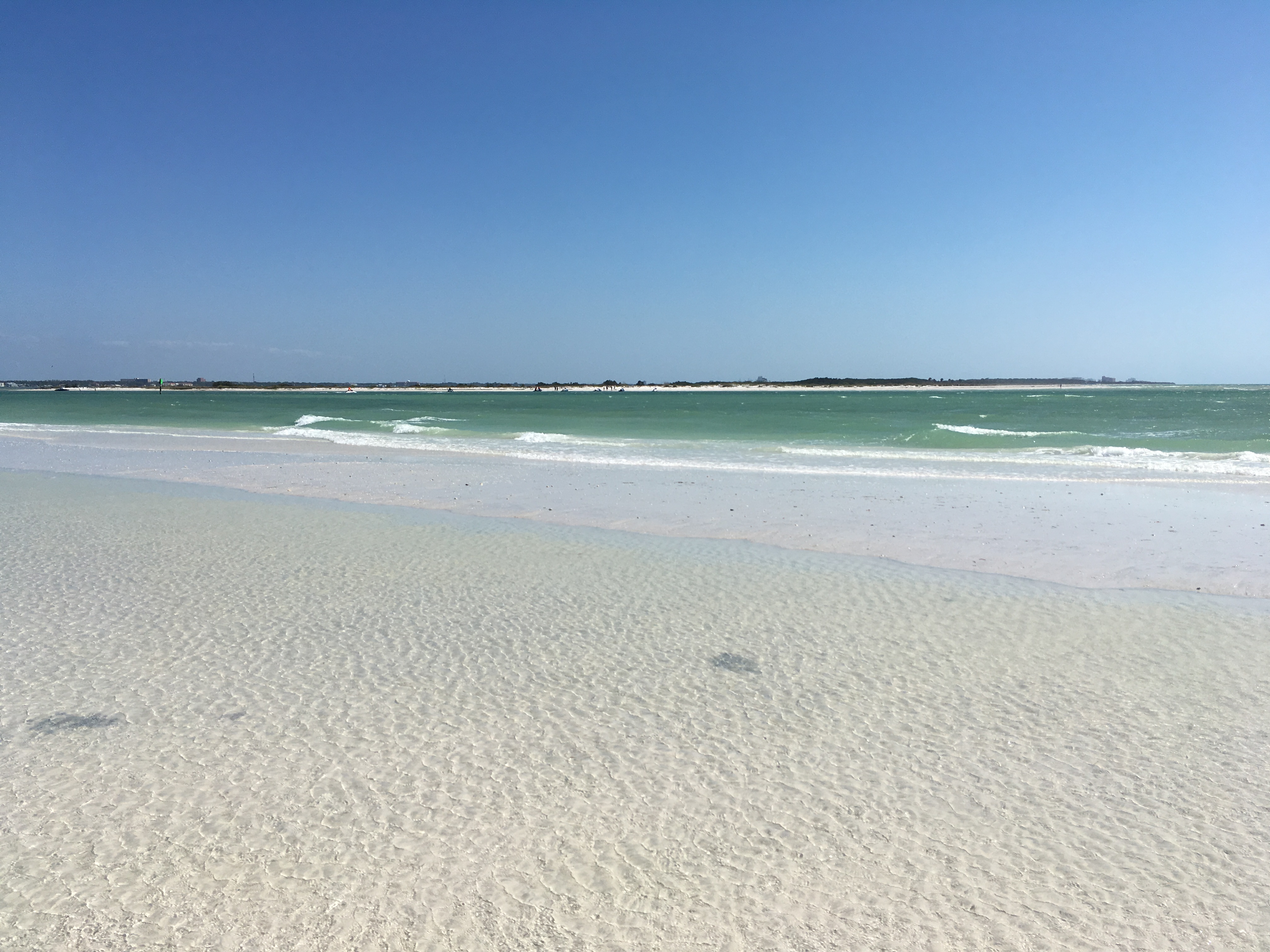
St. Petersburg, if you live in Florida would just be another city, but if you don't then you would be working near the beach and the ocean in case you enjoy being on or near water. Florida is hot and very sunny in the Summer, so if you generally prefer clouds and cold, you should not apply.
Additional Job at Pole Star Global
Data Analyst - Link to Job Post
Data Scientist - Link to Job Post
Industry: Cloud Seeding
Title: Radar Intern
Company: Rainmaker
Work Location: Norman, OK
Pay: None Given
Benefits: See Job Listing
Degree:
- Currently enrolled in an undergraduate or graduate program in meteorology, atmospheric science, or a related field
Key Skills or Knowledge: (most important to the company)
- Coursework or experience in radar meteorology
- Experience with or understanding of cloud seeding atmospheric effects
- Familiarity with deep learning frameworks such as PyTorch or TensorFlow
- Experience with data analysis tools such as Py-ART, MetPy, xarray, or similar
- Prior research experience of any kind (REU, class projects, lab work)
Who Should Apply?
Anyone attending OU who has and enjoys using Python and some interest in radar meteorology or cloud seeding. Of course, any university student should apply if you have an interest in cloud physics.
About the Location
Storm chasing or waiting for the storm to come to you.
International Jobs (Outside the US)
Industry: Insurance
Title: Catastrophic Risk Management - Associate
Company: Marsh - Guy Carpenter
Work Location: Miami, London, Mexico City, Lima or Bogotá.
Pay: None Given
Benefits: See Job Listing
Degree:
- Bachelor’s degree (or equivalent) in a quantitative or natural sciences field such as applied mathematics, statistics, engineering, operations research, finance, economics, data science, computer science, or meteorology.
Years of Experience:
- 7+ years of experience in catastrophe risk modelling
- Fluent English with Spanish preferred.
Key Skills or Knowledge: (most important to the company)
- Previous experience in a technical role at a reinsurance broker, market, or catastrophe model software vendor.
- Experience with Microsoft SQL, Python, Data Bricks, Alteryx, Power BI.
- Scientific background in applied mathematics, statistics, meteorology, and/or seismology.
- Technical expertise working with Moody's RMS catastrophe models.
Who Should Apply?
Data scientist oriented people. I know I've talked to a few people through My Met Job that have this sort of background. The good thing about this role is that it is multi-location and in some areas that normally do not have meteorology roles such as Mexico City, Lima, or Bogotá.
Final Thoughts
This week features many roles where you need Python whether in an internship or a senior role. The other theme is insurance and especially re-insurance and catastrophe modeling. Guy Carpenter, a subsidiary of Marsh and AON are two companies involved in this sector and regularly have openings in modeling.
It's a little late for internship openings, but if you don't have something set up, you should consider the ones I posted or other options you find.
Remember there are many jobs in the government sector in the US, UK, Europe, Australia, and sometimes Asia. You generally have to be a citizen of the country where these are located and I do not post these on My Met Job, primarily because there are so many and the requirements are so specific.
With a potential historic El Niño developing this year and with just weather in general there are always examples and case studies which you can learn from to gain new skills or re-learn and become better at what you already know.
There are many meteorologists who post on LinkedIn, on Youtube, on X, on TikTok and even Instagram and you can use any of them to learn or just make sure you are on the right track.
If you need help with a resume, cover letter, interview practice, forecast test practice, knowledge of creating a case study, pattern recognition, or information about what happens in specific careers, then reach out, and let's talk.
If you haven't used it, Haby Hints, is a great free resource for understanding the atmosphere.
Good luck on the job search!


Responses